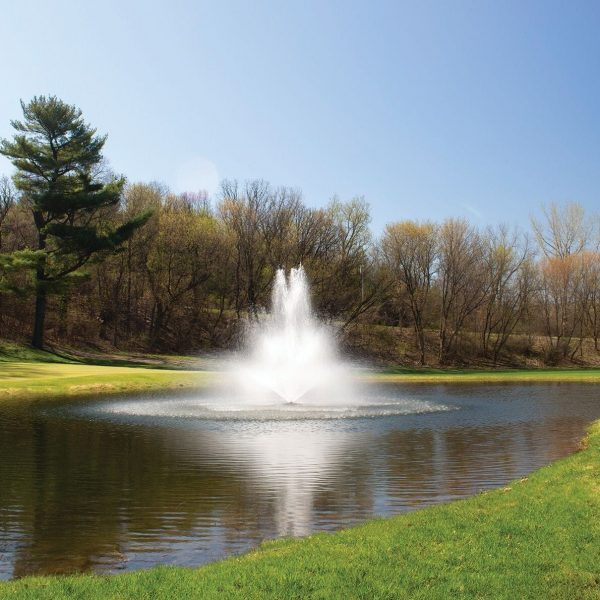
A calm pond surface can hide a slow decline happening just beneath it. Water that sits still loses oxygen, traps waste, and drifts toward cloudy, odor-heavy conditions that owners rarely notice until the fish start suffering. This is where large pond fountains earn their place, keeping water alive with the steady movement healthy aquatic systems quietly depend on.
The right water feature does more than decorate a landscape. Large pond fountains deliver continuous circulation that lifts oxygen levels, clears suspended debris, and keeps an entire body of water balanced from surface to floor. Owners gain cleaner water and a striking centerpiece at once, turning a maintenance need into a lasting visual asset.
Still Water Slowly Undermines Pond Health
The Buildup You Cannot See from the Bank: Water without steady movement separates into layers, where the lower zone loses oxygen and collects decaying organic matter that feeds algae and foul odors. Nutrients concentrate, sediment thickens across the bottom, and the surface gradually turns cloudy. Pond professionals routinely encounter water that had drifted this way for entire seasons before anyone recognized the early warning signs.
Costs That Climb the Longer You Wait: Delaying circulation lets problems compound, since oxygen keeps falling and organic sludge keeps deepening across the bottom until recovery demands far more effort. Prolonged hypoxia in the waterbody at the lower depths can trigger fish loss and sudden die-offs after warm nights. The longer stagnation continues, the fewer gentle options remain and the harder clarity becomes to restore without major intervention.
Steady Flow Rebuilds Clean, Oxygen-Rich Water
One Current That Reaches Every Depth: Large pond fountains pull water upward and push it outward, blending the surface with deeper zones so oxygen spreads through the whole pond instead of staying trapped on top. This constant mixing breaks up thermal stratification, the temperature layering that starves lower water of air and lets waste settle undisturbed on the pond floor.
Clearer Water You Can Actually See: Better circulation reduces the stagnation that lets algae bloom, so water holds its clarity for far longer and needs less corrective treatment through the warm summer months. Moving water also discourages mosquito breeding and surface scum, while dispersing the oxygen that beneficial bacteria rely on to break down waste naturally and keep the whole pond in balance.
Floating Fountains Outperform Standalone Aerators
Top-Down Spray and Bottom-Up Air: A floating fountain circulates and oxygenates the upper water while creating a visible spray, whereas a submerged aerator pushes air from the pond floor with no visible display above the surface. Deeper ponds sometimes need bottom diffusion, yet many medium to large ponds gain strong circulation and a striking centerpiece from a single fountain unit.
One Unit That Earns Its Keep Twice: For ponds where appearance matters as much as water health, a floating fountain delivers both at once, pairing dependable circulation with adjustable spray patterns that shape the whole look of a property. Owners can match spray height and shape to the setting, gaining a functional aerating tool and a nightly visual highlight together.
Consistent Motion Protects Long-Term Pond Value
Prevention Costs Less than Recovery: Consistent circulation prevents the sludge buildup and oxygen crashes that lead to expensive dredging, fish replacement, and repeated chemical treatments later on. More pond owners now treat large pond fountains as a core part of long-term maintenance planning, because steady daily movement protects water quality far more cheaply than reacting to a crisis.
Built to Run through Years of Weather: Quality fountain systems are engineered for continuous operation, using sealed motors and efficient designs that keep running costs low across years of daily use. Durable components resist the wear of constant water contact, so a single well-chosen unit can protect a pond, support fish health, and hold its appearance through many changing seasons.
Signs a Pond Needs Stronger Circulation
Warning Signs Worth Watching For: Certain conditions signal that a pond needs the steady movement large pond fountains provide, and spotting them early keeps small issues from turning into major restoration work. The patterns below often point to circulation that has fallen behind what the water truly needs, and each one becomes easier to correct the sooner it is addressed.
- Green or cloudy water that returns quickly after treatment often reflects poor circulation rather than a one-time algae event.
- A foul, earthy smell rising from the surface usually points to oxygen-starved water and decaying matter on the bottom.
- Fish gathering at the surface or gasping in early morning is a clear sign of low oxygen in the pond.
- A visible film, foam, or scum across still areas shows that surface water has stopped moving and mixing.
- Rapid debris buildup and thick bottom sludge indicate that waste is settling faster than the water can process it.
Clearer Water Starts with a Single Choice
Clean, oxygen-rich water and a striking centerpiece come from one thing above all, steady circulation that never lets a pond fall still. Every season of stagnation makes clarity harder and costlier to win back, while the right fountain quietly protects both health and beauty. Reach out today to speak with a specialist about the ideal fountain for your pond and put smarter circulation to work.

- The Enterprise PPC A-List: 10 Agencies for Scaling Paid Search Revenue in 2026 - October 20, 2026
- Golden OTT guide: setting up a new television with a verified guide - October 16, 2026
- Crusado Casino for Beginners: Essential Information About Game Categories, Registration Requirements, Bonus Conditions, Account Security, and Online Casino Guidelines - October 14, 2026