Buying a used car is an important decision that involves more than choosing a vehicle that looks good or fits your budget. Buyers need to consider the car’s condition, service history, kilometres travelled, ownership costs and suitability for their everyday needs. Taking time to assess these factors can help make the purchasing process more straightforward and reduce the risk of unexpected expenses.
For people looking to purchase a vehicle in Springwood, having a clear idea of what to look for can make comparing available cars easier. Whether you need a family vehicle, a reliable commuter car or something suitable for weekend travel, understanding the basics of buying second-hand can help you make a more informed decision.
Understanding the Used Car Market in Springwood
The used car market offers buyers access to different vehicle types, models, ages and price ranges. Rather than purchasing a brand-new vehicle, buyers can compare pre-owned options that may better suit their budget and requirements.
When researching used cars springwood, it is worth considering what type of vehicle you need before visiting a dealership.
Some common options include:
- Small hatchbacks for everyday commuting.
- Sedans for comfortable daily driving.
- SUVs for additional passenger and storage space.
- Utes for work-related and practical requirements.
- Family vehicles with additional seating capacity.
- Automatic and manual vehicles depending on driving preferences.
Having a clear list of priorities can help narrow down your options and prevent unnecessary spending on features you may not need.
Finding a Trusted Used Car Dealer in Springwood
Choosing the right dealership is an important part of the buying process. A reputable dealer should provide clear vehicle information, answer questions about the car’s history and allow buyers to understand the terms of the purchase.
When comparing dealerships, look for a trusted used car dealer in Springwood that provides transparent information about vehicle condition, pricing and available documentation.
Before making a decision, consider:
- Whether the dealership provides clear vehicle descriptions.
- Whether service and maintenance records are available.
- Whether the vehicle has undergone an inspection.
- Whether pricing and additional charges are explained.
- Whether warranty information is provided.
- Whether the dealer answers questions clearly.
- Whether the purchase and transfer process is explained.
Buyers should also check independent customer reviews and confirm the dealership’s business details. Taking these steps can help establish confidence before committing to a purchase.
Important Steps When Buying a Used Car in Springwood
1. Set a Realistic Budget Before Shopping
Before visiting dealerships, determine how much you can comfortably spend on a vehicle.
The purchase price is only one part of the total ownership cost. Buyers should also consider ongoing expenses such as:
- Vehicle registration.
- Compulsory insurance.
- Comprehensive or third-party insurance.
- Fuel or charging costs.
- Regular servicing.
- Tyres and replacement parts.
- Unexpected repairs.
If you are considering vehicle finance, compare the interest rate, loan term, repayment amount and any applicable fees.
A realistic budget helps you compare vehicles without overlooking the costs associated with owning them.
2. Check the Vehicle’s Service History
A vehicle’s service history can provide useful information about how it has been maintained.
Ask whether the seller can provide service records, maintenance invoices and details of previous repairs. Regular servicing can indicate that the vehicle has received ongoing attention, although records should still be reviewed carefully.
Important details to check include:
- Dates of previous services.
- Recorded odometer readings.
- Major component replacements.
- Previous mechanical repairs.
- Manufacturer-recommended maintenance.
- Any outstanding maintenance requirements.
If the vehicle has incomplete records, ask the dealer about its known maintenance history and consider arranging an independent mechanical inspection.
3. Inspect the Exterior and Interior
A physical inspection can help identify visible signs of wear or damage.
Start by examining the exterior in good lighting. Look for inconsistent paintwork, dents, scratches, rust and differences between body panels that could indicate previous repairs.
Inside the vehicle, check:
- Seat condition and upholstery.
- Dashboard and instrument displays.
- Air conditioning and heating.
- Windows and door locks.
- Seatbelts and adjustment mechanisms.
- Interior controls and entertainment systems.
- Signs of water damage or unusual odours.
Make sure the vehicle’s features work as expected. Any issues should be discussed before negotiating the final price.
4. Take the Car for a Test Drive
A test drive is one of the most useful ways to assess whether a vehicle suits your requirements.
Whenever possible, drive the car in different conditions, including local streets and higher-speed roads where safe and appropriate.
Pay attention to:
- Engine starting and running.
- Gear changes.
- Steering response.
- Brake performance.
- Suspension and ride comfort.
- Unusual sounds or vibrations.
- Dashboard warning lights.
- Visibility and driving position.
If something does not feel right, ask the dealer for an explanation. An independent mechanic can also investigate concerns before you proceed.
5. Check Registration and Vehicle History
Before purchasing a used vehicle, buyers should confirm that its registration and history are satisfactory.
In Australia, a Personal Property Securities Register (PPSR) check can help identify whether a vehicle has an outstanding security interest recorded against it. It may also provide information about whether the vehicle has been recorded as written off or stolen.
Buyers should check:
- Vehicle Identification Number (VIN).
- Registration details.
- Odometer information where available.
- Written-off vehicle records.
- Stolen vehicle information.
- Outstanding finance interests.
The details on the vehicle should match the information provided in its documentation.
6. Understand Warranty and Consumer Rights
Used car warranty arrangements can differ depending on the vehicle, dealership and applicable state or territory laws.
Some vehicles may qualify for statutory dealer warranties, while others may be excluded based on factors such as age, kilometres travelled or purchase circumstances.
Buyers should understand the difference between a statutory warranty and an optional extended warranty.
Before signing a contract, review:
- Warranty coverage.
- Warranty duration.
- Exclusions and conditions.
- Repair procedures.
- Consumer guarantee rights.
- Dealer responsibilities.
Australian Consumer Law provides consumer guarantees that may apply to used vehicles purchased from businesses. These rights are separate from any optional warranty offered by the dealer.
7. Compare Vehicles Before Making a Final Decision
It is rarely necessary to purchase the first vehicle you inspect. Comparing several options can help you understand whether the asking price is reasonable and which vehicle offers the best combination of condition, features and value.
Create a simple comparison based on:
| Comparison factor | What to review |
|---|---|
| Purchase price | Asking price and total purchase cost |
| Kilometres | Recorded odometer reading |
| Service history | Availability and completeness of records |
| Vehicle condition | Exterior, interior and mechanical condition |
| Features | Safety, comfort and technology |
| Ownership costs | Insurance, fuel and servicing |
| Warranty | Available coverage and conditions |
This approach can help you make a decision based on the vehicle’s overall suitability rather than appearance alone.
8. Understand the Paperwork Before Paying
Once you have selected a vehicle, review the sales documentation carefully.
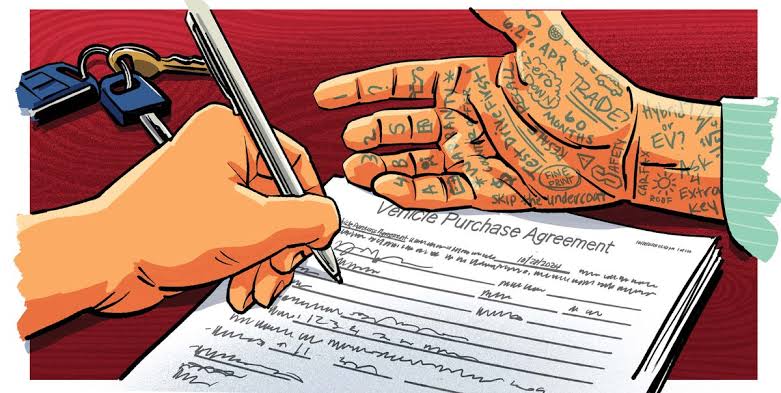
Check that the purchase agreement includes the correct vehicle details, agreed price, any conditions and information about included accessories or warranties.
Also confirm:
- The seller’s details.
- VIN and registration information.
- Payment arrangements.
- Vehicle delivery arrangements.
- Transfer of registration.
- Any additional fees.
Do not rush through the paperwork. Ask questions about anything that is unclear before signing or making payment.
Making a Confident Used Car Purchase in Springwood
Buying a used car becomes easier when you approach the process with a clear budget, a practical checklist and an understanding of the vehicle’s history. Comparing dealerships, checking documentation, inspecting the car and taking a proper test drive can all help you make a more informed decision.
The most suitable vehicle is not necessarily the newest or most expensive option. It is the one that meets your driving needs, fits your budget and has a condition and history you are comfortable with.
By taking time to research your options and ask the right questions, buyers can approach the used car purchasing process with greater confidence and choose a vehicle that supports their everyday requirements.

- Buying a Used Car in Springwood: A Local Buyer’s Guide - November 2, 2026
- Exploring Online Slot Games: Features, Strategies, and Digital Entertainment - October 26, 2026
- Freelancer or Marketplace? Choosing the Right Partner for a Digital Campaign - September 30, 2026