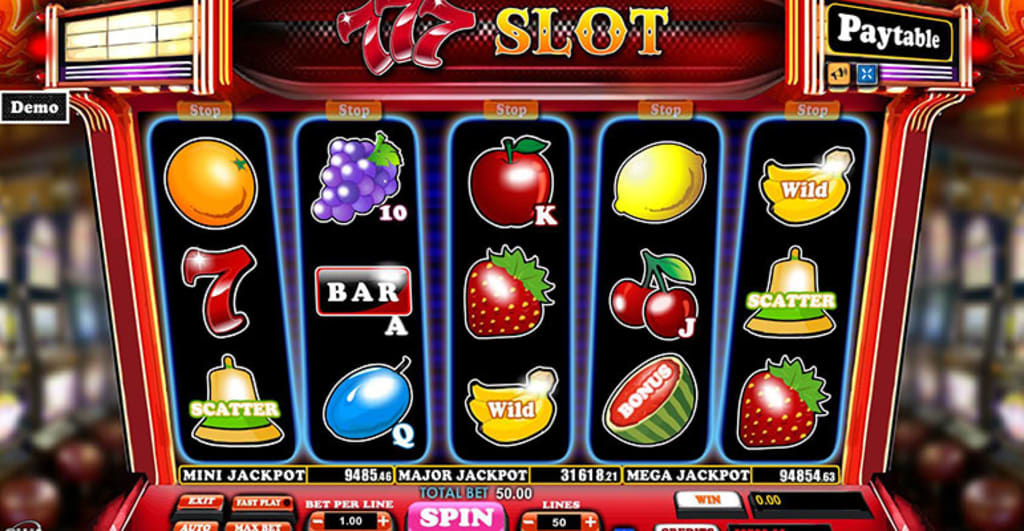
Quitting while ahead goes directly against the feeling of a “hot hand,” but it is one of the few real decisions a slot player controls. A winning run can quickly turn into a downward spiral once emotions outrun planning, because the same house edge still governs every spin. The art is learning to treat stopping as a deliberate choice tied to numbers, time, and mental state—not as a vague promise to leave “after one more big hit.”
Why Stopping While Ahead Is So Difficult
Ending a session in profit forces the brain to walk away from the excitement that wins just created. The cause is simple reinforcement: each recent payout trains the mind to expect more, making continuation feel safer than it really is. The outcome is overconfidence in personal “luck” or “skill,” and the impact is that players push beyond their original limits, often riding the same machine back down to break-even or worse.
Psychological research on gambling shows that intermittent rewards—wins scattered among losses—are especially powerful at keeping people engaged. During a hot streak, that intermittent pattern compresses into a tight sequence of wins that can make stopping feel irrational. Yet the long-term statistics do not change, so the longer the streak is extended, the more chances the house has to reclaim the temporary gains.
Translating a Bankroll Into Clear Exit Targets
Knowing when to stop starts before the session, by converting a bankroll into precise win and loss boundaries. A player who arrives with a fixed amount of money for the day can define a specific loss limit and a realistic profit target as conditions for quitting. The cause is simple: by pre-setting these numbers, the decision to walk away becomes rule-driven instead of emotion-driven. The outcome is fewer ad‑hoc choices based on mood, and the impact is a smoother long‑term bankroll trajectory.
For example, someone bringing 100 units to a session might cap their acceptable loss at 50 units and their win goal at 20–30 units above the starting point. Hitting either boundary ends play, no negotiation. This structure keeps a single good run from tempting the player into risking every chip on the same table and prevents bad nights from consuming more than a predetermined share of total funds.
Structuring Win Goals and Loss Limits
Win goals and loss limits can be designed in multiple ways, but each structure must be clear and simple enough to follow in real time. One classic pattern is to set a fixed loss cap and a modest, fixed win goal, then adhere to both, session after session. Another approach uses “floating” goals, where profit targets and loss limits adjust upward as the bankroll grows, while always locking in at least part of the gains. The cause in both cases is the desire to balance continued action with protection of accumulated winnings.
Example Exit Structures for a 100-Unit Session
| Approach | Loss Limit | Initial Win Goal | Adjustment Rule |
| Fixed | 50 units | 30 units | Stop at −50 or +30 |
| Conservative | 40 units | 20 units | Stop at −40 or +20 |
| Floating goals | 50 units | 20 units | If bankroll hits 120, lock 20, reset goal |
The table illustrates how different exit rules change the risk profile of a “hot” day. Fixed systems make quitting decisions predictable: once profit reaches the target, the session ends regardless of how strong the streak feels. Floating systems acknowledge that some players want the option to keep pressing a win but still formalize how much of the gain must be preserved. In both cases, the key is that exit points are defined before the first spin, so they are not rewritten mid-session under the influence of excitement.
Reading Emotional Signals That You Should Walk Away
Numbers alone are not enough, because emotional cues often signal danger earlier than the balance sheet does. When heart rate rises, decision-making speeds up, or thoughts fixate on “one more spin,” the cause is usually a mix of dopamine-driven excitement and creeping greed. The outcome is that risk perception narrows to short-term possibilities while long-term consequences fade from view. The impact is a greater willingness to ignore limits, increase stakes impulsively, or chase minor dips during a winning run.
Recognizing these signals in real time—rushed bets, difficulty pausing, irritation when the game slows—offers a second layer of stopping criteria. Some counselors recommend brief time-outs or a “cool-off” period after big wins, giving the brain space to treat chips as real money again before deciding whether to continue. If, after that pause, the urge to protect the profit feels weaker than the urge to risk it, that imbalance alone is a strong indicator that it is safer to cash out and end the session.
Situations Where UFABET-Style Account Structures Help or Hurt
When slot play sits inside a broader betting account, the way information is presented can influence whether someone stops while ahead. If the account dashboard clearly displays total session profit, recent history, and remaining daily budget, it becomes easier for a player to register that they are already significantly up. Under those conditions, a rational response is to frame the current profit as money that could now serve other goals—savings, bills, or future entertainment—and to treat continued gambling as a fresh decision rather than an automatic extension.
Consider a scenario where the same login supports multiple products, from slots to sports bets. A player who has already exceeded their planned gain for the day can use the account summary to see exactly how far above baseline they stand. When that information is easily accessible in a single interface, as it is in some consolidated services including UFA747, it becomes harder to tell themselves that the current win is “not much yet.” The visible surplus acts as a psychological anchor, pushing them to consider stopping and preserving the gain instead of letting the streak drift into other forms of risk.
How casino online Contexts Shape Stopping Behavior
The design of digital gambling environments influences how natural it feels to leave during a hot streak. If cashing out is straightforward, session statistics are prominently displayed, and optional reminders can be set at certain win thresholds, players receive multiple prompts to consider ending while ahead. The cause is design that foregrounds net results and responsible-play tools. The outcome is that moments of reflection are built into the experience, and the impact is fewer impulsive decisions to keep spinning until the gain disappears.
Conversely, when interfaces emphasize reload buttons, bonus offers, and rapid re‑entry into new games, they subtly encourage players to re-invest winnings immediately. In any casino online website, an effective self-protection tactic is to deliberately treat cashouts as endpoints: once funds are withdrawn from the game balance to a separate wallet or payment method, they are no longer considered part of the active bankroll. That mental separation helps prevent the common pattern where winnings are instantly redeployed on new machines until the initial “hot streak” is just a memory.
Comparing Pure Win Goals With Time-Based Stopping Rules
H3: When Profit Targets or Session Timers Work Better
Some players rely purely on financial thresholds—stop after winning a set amount—while others find time-based rules more workable, especially when wins arrive early. Profit-based rules directly protect money but can feel abrupt if targets are hit within a few minutes. Time-based rules, such as playing for one hour regardless of results, provide a clear boundary but may allow a hot streak to fade if not paired with a win cap. In practice, combining both—whichever condition comes first ends the session—gives a more robust structure. That combination acknowledges that a long session can erode profits slowly, while a sudden big hit can justify walking away even if only a small portion of the planned time has elapsed.
Failure Modes: When “One More Spin” Overrules Every Plan
Even carefully designed stopping rules can collapse under the weight of habit and compulsion. A common failure mode occurs when players treat limits as soft guidelines, rationalizing small extensions—“just five more spins”—after the goal is reached. The cause here is the mind’s tendency to discount near‑term risk relative to the excitement of continuing. The outcome is that the boundaries are repeatedly nudged outward, and the impact is that what began as a disciplined exit plan turns into an ever-moving target.
Another failure mode appears when players reinterpret rules in the moment. For example, a win goal might be reframed as a minimum acceptable profit, with any amount above it deemed “free money” that can be gambled without consequence. Over time, these redefinitions erode trust in one’s own commitments, making it harder to believe future promises to stop. When this pattern becomes frequent—especially if it leads to financial or emotional harm—experts advise treating it as a warning sign of deeper gambling problems rather than simply “weak discipline.”
Summary
Knowing when to stop playing slots, even during a winning streak, depends on decisions made before the first spin. Clear win goals, firm loss limits, and, where helpful, time-based rules create objective exit points that resist the pull of “one more spin.” Paying attention to emotional cues and using account tools to visualize real profits help players recognize when they are already ahead and protect those gains instead of feeding them back into the machine. When limits are repeatedly ignored, the question shifts from fine-tuning strategy to addressing underlying control issues, underscoring that quitting while ahead is less about luck and more about sustained, realistic self-management.

- RaxiWin Pre-Session Checklist — A Five-Minute Routine Before Playing - September 14, 2026
- Thomas A. McKinney Explains What Employees Should Know About Retaliation After Reporting Healthcare Fraud - August 27, 2026
- Best Pillows for Reading in Bed - August 15, 2026