Table of Contents
When a family is faced with arranging cremation for a loved one, the decisions involved can feel overwhelming, particularly at a time when grief is already heavy. Most people have little prior experience with the cremation process, and unfamiliar terminology, paperwork requirements, and choices about memorialization can compound the emotional weight of an already difficult time.
This guide is intended to offer straightforward, honest information about what cremation involves, what options are available, and how families can navigate the process with confidence and clarity.
What Is Cremation, and How Does It Work?
Cremation is the process of reducing the physical remains of a loved one to cremated remains through the application of high heat in a specially designed cremation chamber. The process is conducted with care and reverence, and every individual is treated with dignity throughout.
Before cremation can take place, there are several legal and administrative steps that must be completed. A funeral home coordinates the transfer of the deceased, the registration of the death, and the obtaining of required documents, including a burial permit and the Coroner’s Cremation Certificate. Families must also choose an appropriate cremation container, which can range from a basic alternative container to a traditional casket, depending on personal preference and the type of service being arranged.
Working with professional direct and witnessed cremation services from an established crematorium helps families navigate this process with clear guidance at every step. Experienced staff can answer questions, explain what to expect, and ensure that all arrangements are carried out exactly as the family has directed.
Direct Cremation Versus Witnessed Cremation
These are two of the most common types of cremation service, and understanding the difference helps families make a choice that feels right for them.
Direct cremation is the most straightforward option. It does not involve a formal funeral service or a viewing beforehand. The deceased is respectfully transferred to the crematorium, all necessary documentation is completed, and cremation takes place. Families retain the flexibility to hold a private memorial or celebration of life at a time and location of their choosing, which many find meaningful and comforting. The absence of a formal service is not a reflection of how deeply the person is loved. It is simply a different way of organizing remembrance.
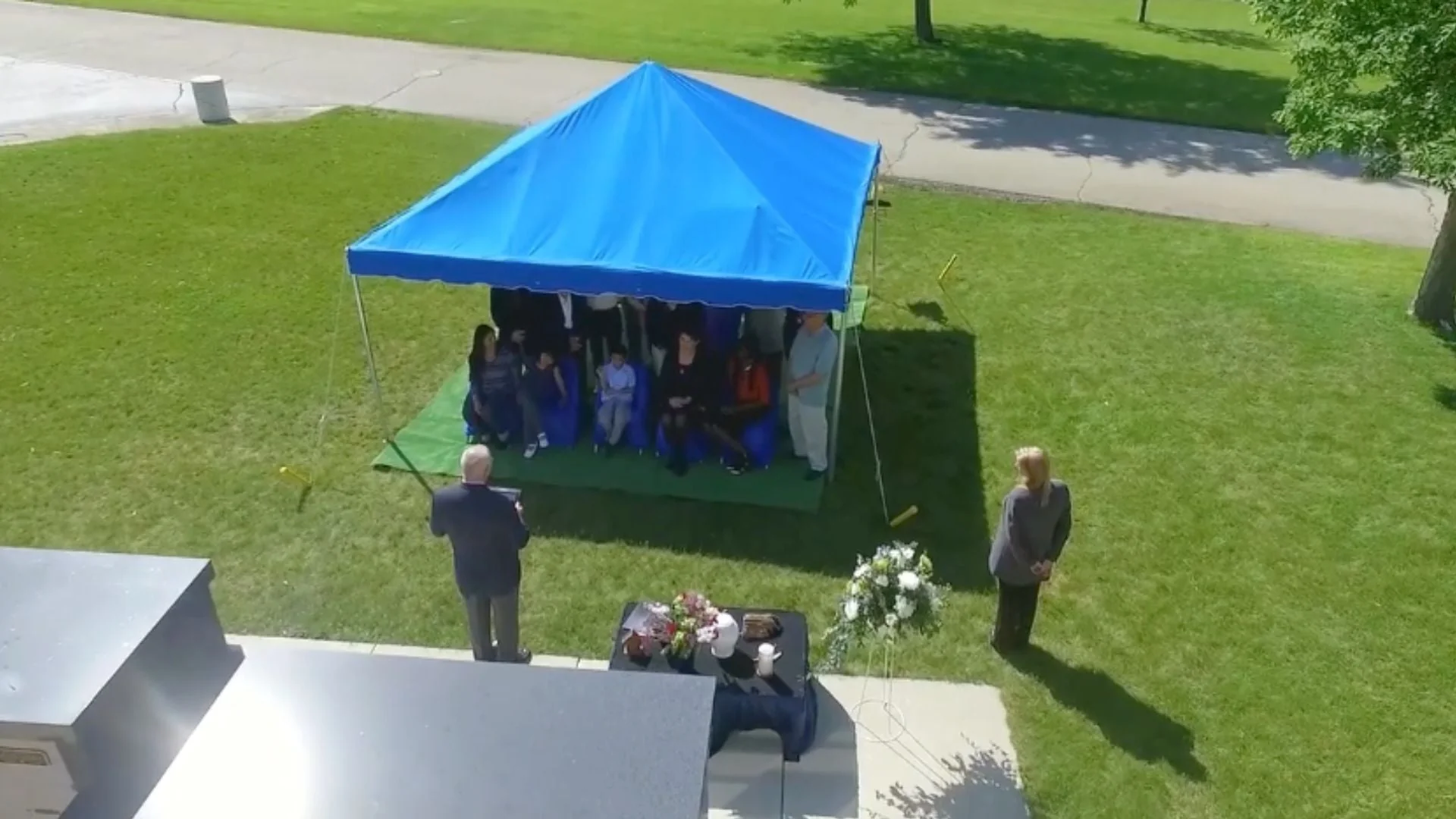
Witnessed cremation allows family members to be present at the beginning of the cremation process. For many families, particularly those with specific cultural or religious traditions, this option provides an important sense of closure and participation. The setting is private and peaceful, and the ceremony can incorporate meaningful rituals or simply quiet reflection. It offers something direct cremation does not: the experience of being present for the final moments of a loved one’s physical journey.
How to Choose Between Options
There is no universally right answer. The choice between cremation types, and between cremation and traditional burial, is deeply personal and influenced by a combination of factors including cultural background, religious belief, budget, and individual family preference.
A few questions worth considering include: Is there a meaningful location where the family would like to hold a memorial? Are there cultural or religious traditions that call for a particular form of farewell? Is the priority simplicity and privacy, or is it gathering the community for a shared ceremony? How important is it to family members to be present during the cremation itself?
There is value in having these conversations as a family before finalizing any arrangements. When everyone has had the opportunity to share what matters to them, the decisions that follow tend to feel more grounded.
What Happens to Cremated Remains?
After cremation is complete, families receive the cremated remains, which can then be handled in several ways depending on personal wishes and any applicable local regulations.
Many families choose to place remains in an urn, which can be kept at home, placed in a columbarium niche, or buried in a cemetery. Others choose scattering, either at a meaningful location on private property or in designated areas where it is permitted. Some families commission memorial jewelry or keepsakes that incorporate a small portion of the remains as a lasting tribute.
There is no requirement to decide immediately. Cremated remains can be kept while a family takes the time it needs to determine what feels most meaningful and appropriate. A trusted crematorium can provide guidance and referrals to support the next steps, including funeral homes, urn selection, and grief counselling resources.
Planning Ahead
One of the most meaningful things a person can do for their family is to make end-of-life arrangements in advance. Pre-planning removes the burden of decision-making from loved ones during an already emotionally demanding time, ensures that personal wishes are known and documented, and often allows for price certainty that protects against future increases in costs.
According to the Cremation Association of North America, cremation rates in Canada have been rising steadily and now account for the majority of final dispositions, reflecting a broad societal shift toward simpler, more flexible arrangements. Pre-planning is an increasingly common and welcomed choice among families who want to spare their loved ones from difficult decisions.
If you are considering pre-planning, the process typically involves documenting your preferences for the type of service, the handling of remains, and any personal touches you would like included. Speaking directly with a crematorium can help you understand your options and make decisions with clarity and confidence.
Supporting Yourself Through Grief
Making practical arrangements is only one part of what families face after a loss. Grief is not linear, and there is no correct way to experience it. Some families find comfort in having a formal gathering where stories are shared and memories are celebrated together. Others prefer quiet, private reflection.
Whatever form remembrance takes, what matters most is that it feels authentic to the person being honored and meaningful to those who loved them. A compassionate cremation provider understands this and will work with families to create the kind of farewell that truly reflects the life being celebrated.

- Best Mobile Friendly Slot Depo 10K Casino Platforms - March 14, 2026
- Family-Friendly Bunk Bed Designs: Safe, Stylish, and Practical - March 10, 2026
- Maximize Bedroom Space with a Kids Loft Bed with Storage - March 10, 2026