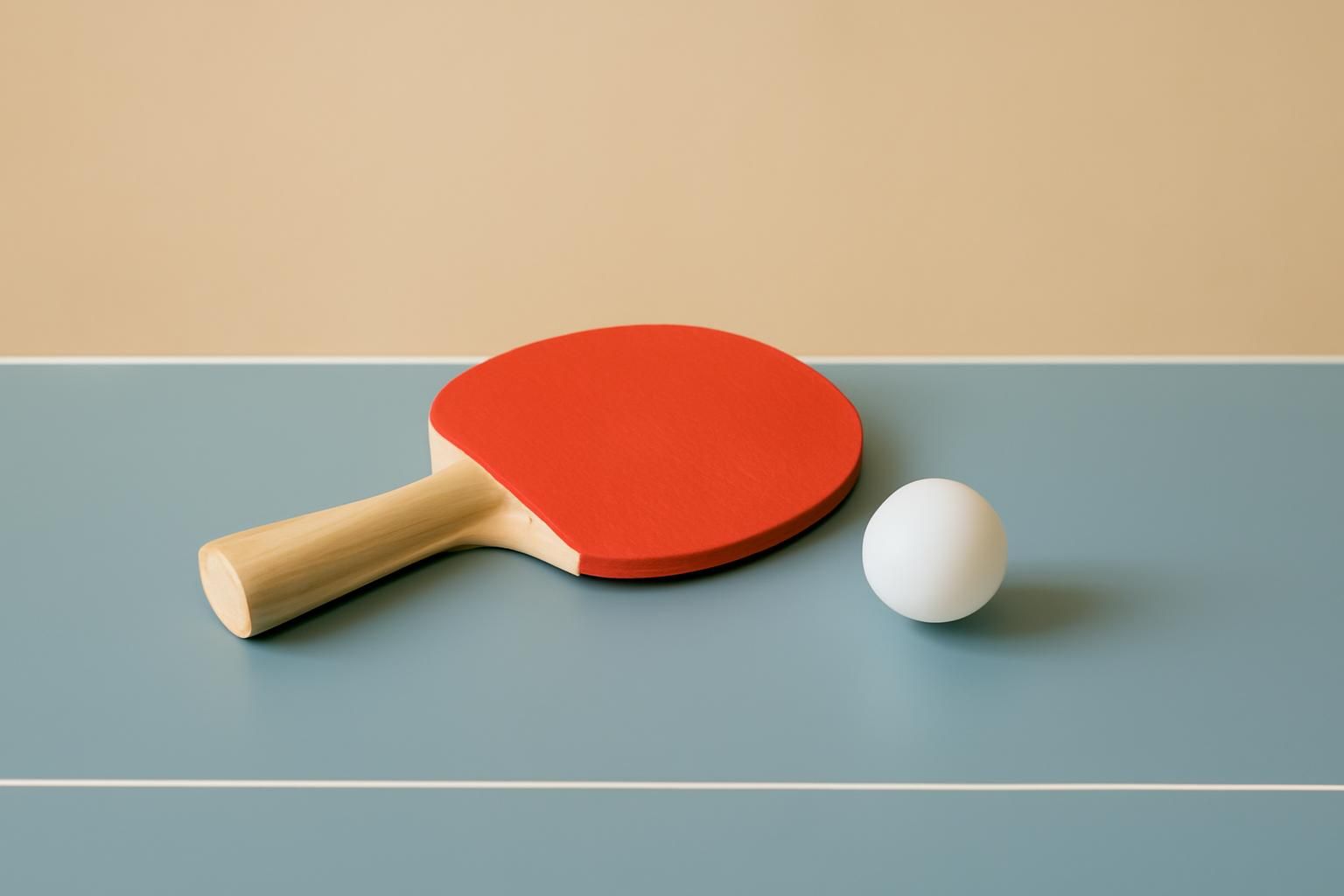
Table tennis is an exciting sport that combines quick reactions, coordination and smart decision-making. Whether weka win you are playing with friends at home or preparing for your first competitive match, learning how to play ping pong can help you enjoy the game and develop your skills. The sport is easy to start, but mastering its techniques requires practice, patience and a good understanding of the rules.
Commonly known as the ping pong game, table tennis involves two or four players hitting a lightweight ball across a divided table using small rackets. The objective is to return the ball legally and make it difficult for the opponent to do the same. With the right equipment and basic techniques, beginners can quickly learn how to participate in a match.
What Equipment Do You Need to Play Ping Pong?
Before learning how to play ping pong, it is important to understand the basic equipment required for the game.
A standard table tennis setup includes a rectangular table, a net, two or four rackets and a lightweight plastic ball. The table is divided into two equal sections by a net, creating separate playing areas for each player or team.
Table tennis rackets, also called paddles or bats, usually have a wooden blade covered with rubber. The rubber surface helps players control the ball, generate spin and perform different types of shots.
Players should also wear comfortable sports clothing and shoes that provide good grip. Proper footwear helps with quick movements and reduces the risk of slipping during fast rallies.
Basic Rules of the Ping Pong Game
Understanding the rules is essential for enjoying a fair and competitive match. Table tennis follows a straightforward scoring system, although certain serving and playing rules require attention.
How to Serve in Ping Pong
Every point begins with a serve. The server must hold the ball in an open palm and toss it nearly vertically upward before striking it with the racket.
The ball must first bounce on the server’s side of the table before passing over the net and landing on the opponent’s side. If the ball touches the net but still lands correctly, the serve is considered a let and must be replayed.
In singles matches, the server can serve to any part of the opponent’s half. In doubles, the serve must travel diagonally from the server’s right half to the receiver’s right half.
How Scoring Works
A standard table tennis game is played to 11 points. However, a player or team must win by at least two points.
For example, if the score reaches 10–10, the game continues until one side establishes a two-point advantage, such as 12–10 or 14–12.
Players normally change serving turns after every two points. Once the score reaches 10–10, serving changes after every point.
A match is usually played as the best of an odd number of games, such as three, five or seven.
How to Play Ping Pong: Essential Techniques
Learning basic techniques can make a significant difference in your performance. Beginners should focus on controlling the ball before attempting difficult shots.
1. Learn the Correct Grip
The way you hold your racket affects your control and shot accuracy. Two common grips are the shakehand grip and the penhold grip.
The shakehand grip resembles holding someone’s hand and is widely used by beginners and professional players. The penhold grip involves holding the racket similarly to a pen, offering different advantages for wrist movement and certain attacking shots.
Choose a comfortable grip that allows you to move the racket naturally without holding it too tightly.
2. Understand the Ready Position
A good ready position helps players react quickly to incoming shots. Stand with your feet approximately shoulder-width apart, bend your knees slightly and lean forward.
Keep your racket in front of your body and maintain a balanced posture. This position allows you to move in either direction and prepare for forehand or backhand returns.
3. Practice Forehand and Backhand Shots
The forehand is one of the most common table tennis strokes. It involves swinging the racket across your body to strike the ball, usually with your dominant hand.
The backhand is performed in front of the body using the opposite side of the racket. It is especially useful when the ball approaches the non-dominant side.
Practicing both shots helps players cover more of the table and maintain control during longer rallies.
4. Learn to Control Spin
Spin makes table tennis more challenging because it changes the ball’s movement after bouncing. Players use different racket angles and brushing motions to create topspin, backspin and sidespin.
Topspin makes the ball rotate forward, while backspin creates backward rotation. Sidespin causes the ball to move differently depending on the direction of the spin.
Beginners should first focus on returning basic shots before experimenting with advanced spin techniques.
Singles and Doubles: Understanding the Differences
Table tennis can be played in singles or doubles formats. Although the equipment and basic scoring system remain similar, the playing requirements are different.
In singles, one player competes against another, and each person is responsible for covering the entire playing area on their side of the table.
In doubles, two players form a team and take turns hitting the ball. Players must alternate their shots, and serves must follow the diagonal service rule. Good communication and coordination are essential because teammates need to move together without interfering with each other.
Common Mistakes Beginners Should Avoid
New players often make mistakes that affect their control and consistency. One common problem is gripping the racket too tightly, which limits wrist movement and makes it harder to adjust shots.
Another mistake is standing upright with straight knees. This reduces balance and makes quick reactions more difficult. Players should also avoid hitting every ball with maximum power, as controlled shots are often more effective.
Ignoring footwork is another issue. Moving into the correct position before striking the ball helps improve accuracy and reduces unnecessary mistakes.
Practical Tips to Improve Your Table Tennis Skills
Consistent practice is one of the best ways to become a better player. Beginners can improve by spending time on simple rallies, serving practice and basic footwork exercises.
Start by exchanging controlled forehand and backhand shots with a partner. Once you can maintain longer rallies, introduce different speeds and spin variations.
It is also useful to observe experienced players and pay attention to their positioning, racket movements and shot selection. Most importantly, focus on improving one skill at a time instead of trying to master everything in a single session.
Conclusion
Learning how to play ping pong is a rewarding way to develop coordination, concentration and physical fitness while enjoying a competitive sport. By understanding the basic rules, practicing correct serving techniques and improving forehand and backhand strokes, beginners can build a strong foundation in table tennis.
The key to progress is regular practice and patience. Whether you play casually with friends or aim to compete at a higher level, developing good habits and mastering the fundamentals will make every ping pong game more enjoyable and rewarding.

- How to Play Ping Pong: A Beginner’s Guide to Table Tennis - November 22, 2026